
 English




 Women
Women
 Bottom Wear
 Western Wear
 Maternity Wear
 Women's Inners
 Men's
Men's
 Men Traditional Wear
 Men Western Wear
 Men Inners

Wardrobe Upgrade
The Algorithm Is Dressing You: How Social Media Is Rewriting Your Wardrobe
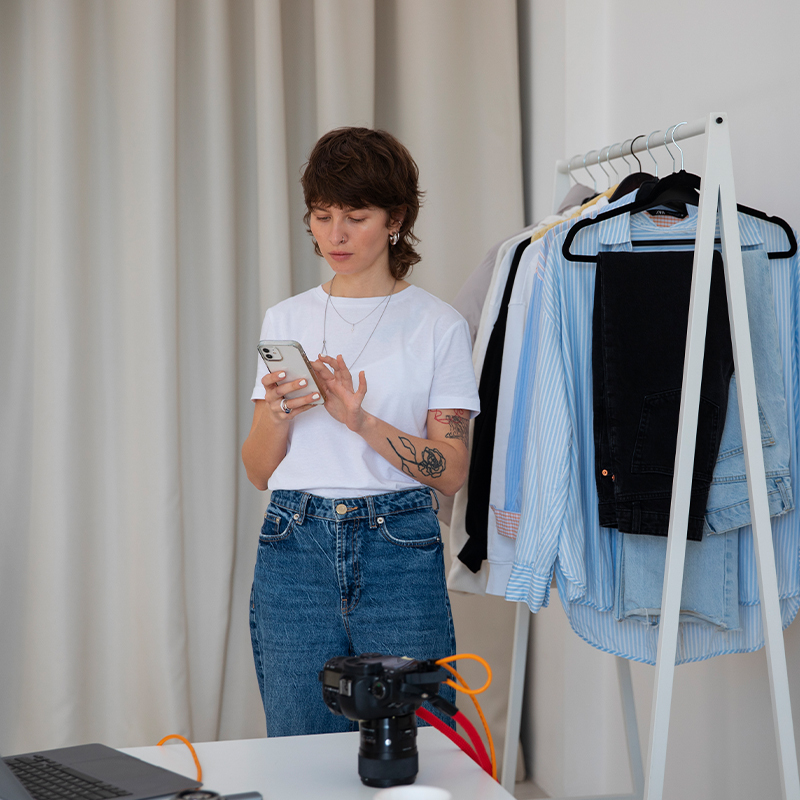
You think you choose your dresses. You don’t—not entirely. Social media platforms like Instagram and TikTok are quietly shaping what men and women wear, how they style dresses, and even what they consider “good taste.” The shift isn’t obvious, but it’s constant—and it’s changing wardrobes faster than people realize.
Start with trend compression. Earlier, fashion cycles took months or years. Now, a dress trend can rise and die in weeks. A specific style—say oversized shirt dresses for women or relaxed co-ord dress sets for men—goes viral, floods your feed, and suddenly feels essential. But it’s not organic demand. It’s algorithmic repetition. The more you see it, the more normal it feels, and the more likely you are to buy it.
Then there’s aesthetic conditioning. Social media doesn’t just show dresses—it frames them. Lighting, editing, poses, and curated backgrounds create a version of reality that doesn’t exist in everyday life. A linen dress might look effortlessly sharp online, but in real conditions, it wrinkles fast. A fitted dress might appear universally flattering, but it’s often tailored or adjusted for the shoot. You’re not just buying a dress—you’re buying into a controlled visual narrative.
Another factor is micro-trend pressure. Social platforms reward novelty. Wearing the same dress repeatedly doesn’t perform well online, so creators constantly rotate styles. That behavior spills over to regular users. Men and women start treating dresses as short-term content instead of long-term wardrobe pieces. The result: overbuying, underusing, and a closet full of barely worn dresses.
Now look at influencer authority. Whether it’s a fashion creator or a lifestyle influencer, their dress choices carry weight. But here’s the problem—most of it is driven by brand deals, not unbiased judgment. A dress promoted as “must-have” might just be part of a paid collaboration. The recommendation isn’t necessarily about fit, comfort, or long-term value—it’s about visibility.
There’s also comparison distortion. When you constantly see curated outfits, your baseline shifts. A simple cotton dress or a basic formal outfit starts to feel “boring,” even if it works perfectly in real life. This pushes people toward more visually striking but less practical dresses. You end up prioritizing appearance in photos over function in daily use.
Social media also affects men’s dress choices more than it used to. The rise of style content has increased pressure to experiment—layering, accessorizing, trying new silhouettes. That’s not inherently bad, but it often leads to copying rather than understanding. A look that works for one body type or setting doesn’t automatically translate to another.
Here’s the uncomfortable part: most people don’t notice this shift. They think they’re making independent decisions, but their preferences are being shaped in real time by what they consume.
The fix isn’t to ignore social media—it’s to use it with awareness. Treat it as input, not instruction. Evaluate dresses based on fit, fabric, and actual use—not just how they look on a screen.
Because if you’re not making deliberate choices, the algorithm will keep making them for you.
Trending Now
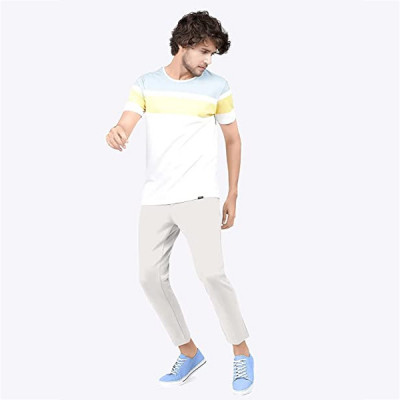
Men's Slim Fit Formal Trousers/Pant
Rs.543.00
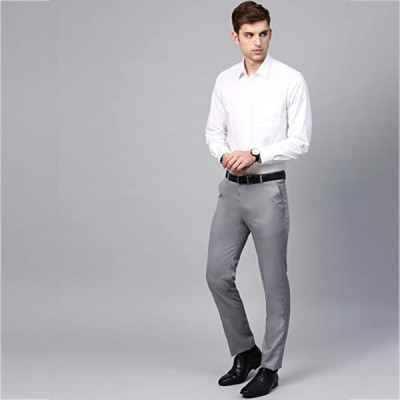
Men's Slim Fit Formal Trousers
Rs.707.00
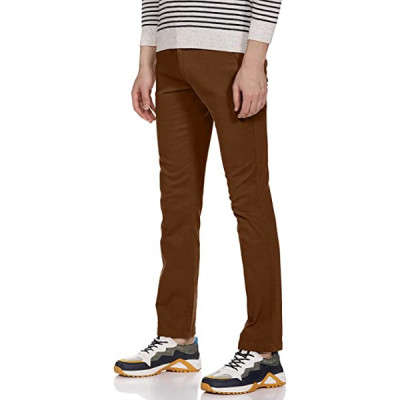
Men's Slim Casual Trouser
Rs.800.00
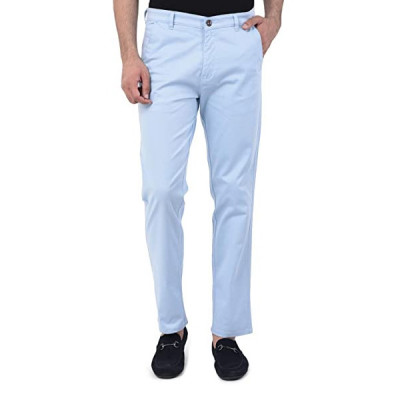
Men's Regular Fit Pants
Rs.544.00
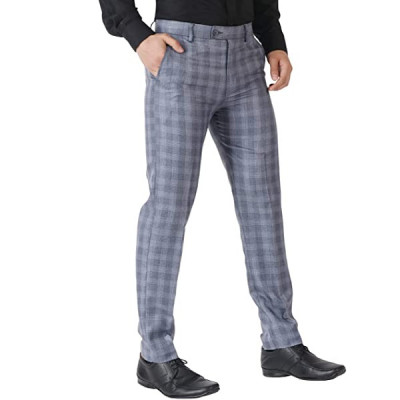
Men's Slim Fit Checkered Trouser
Rs.499.00
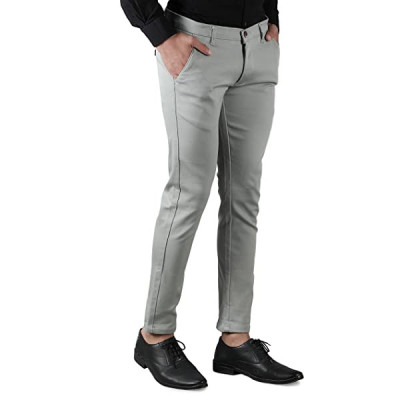
Textured Stretchable Trousers for Men
Rs.899.00
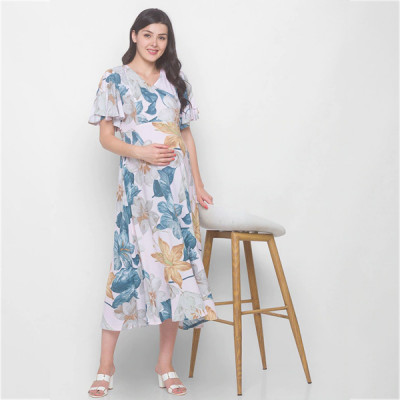
Pink Floral Maternity Midi Dress
Rs.999.00