
 English




 Women
Women
 Bottom Wear
 Western Wear
 Maternity Wear
 Women's Inners
 Men's
Men's
 Men Traditional Wear
 Men Western Wear
 Men Inners

Styling Tips
The 5-Dress Rule for Men: Stop Overbuying, Start Dressing Right

Most men own too many clothes and still rotate the same few outfits. That’s not a style issue—it’s poor selection. You don’t need variety; you need coverage. If your wardrobe doesn’t handle formal, work, casual, and social settings efficiently, it’s broken. Fix it with five core dress setups that actually do the job.
Start with the formal suit. This is non-negotiable. A well-fitted dark suit—black, navy, or charcoal—covers weddings, formal events, business meetings, and anything that demands seriousness. The mistake men make is treating this as occasional wear and ignoring fit. If the shoulders are off or the trousers bunch up, the entire look fails. This one piece should be your most precise fit, not your most expensive.
Next is the semi-formal blazer setup. This sits between rigid formal and relaxed casual. A structured blazer paired with tailored trousers or chinos handles office wear, dinners, and smart social events. It gives flexibility without looking overdressed. The key here is balance—don’t mix overly casual elements like distressed fabrics or loud patterns. Keep it clean, sharp, and adaptable.
Third, you need a smart-casual dress combination. This is where most men get lazy and default to random outfits. A proper smart-casual setup—think a crisp shirt or polo paired with well-fitted trousers—handles day outings, casual meetings, and travel. It should look intentional, not thrown together. Fit matters more than brand here. A basic, well-fitted outfit will outperform an expensive, poorly structured one every time.
Fourth is the relaxed everyday dress. This is your most used category, and usually the worst managed. Men either go too sloppy or overcomplicate it. A clean t-shirt or casual shirt paired with properly fitted bottoms is enough. The rule is simple: relaxed doesn’t mean carelessness. Even your most casual dress should maintain shape and proportion.
Finally, include a statement or occasion dress. This is where you can break uniformity—something for parties, events, or situations where you want to stand out slightly. It could be a textured jacket, a bold color combination, or a distinct fabric choice. But keep it controlled. One strong piece is enough. More than that, and your wardrobe starts losing consistency.
Now here’s where most men go wrong: they buy duplicates of the same category instead of filling gaps. Three casual outfits won’t replace a missing formal one. Two suits won’t fix the absence of a usable everyday dress. Every piece must serve a different purpose.
Color discipline is also critical. Stick to a base palette—black, white, navy, grey, beige—and build around it. This ensures that your five core dresses can rotate with minimal effort. Random colors reduce compatibility and limit usage.
If you get these five right, you’ll cover almost every situation without overthinking. If you don’t, adding more clothes won’t solve the problem—it’ll just make the confusion worse.
Trending Now
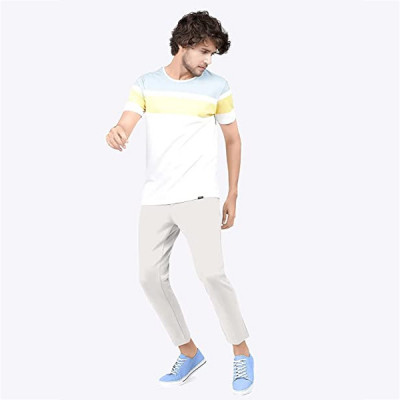
Men's Slim Fit Formal Trousers/Pant
Rs.543.00
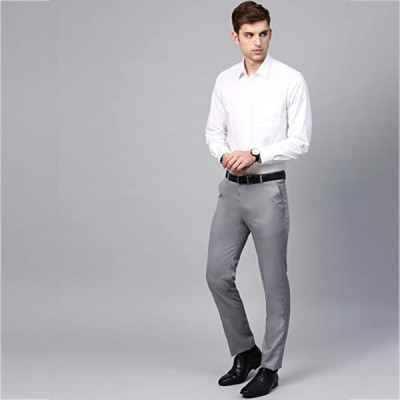
Men's Slim Fit Formal Trousers
Rs.707.00
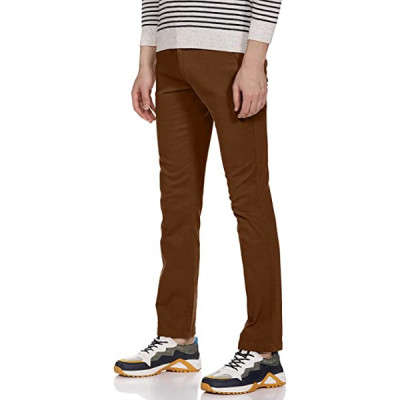
Men's Slim Casual Trouser
Rs.800.00
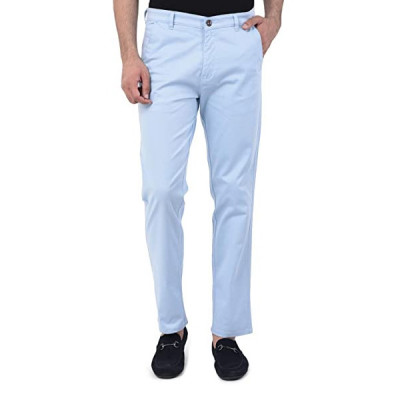
Men's Regular Fit Pants
Rs.544.00
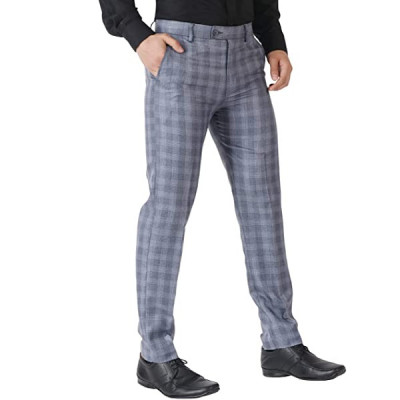
Men's Slim Fit Checkered Trouser
Rs.499.00
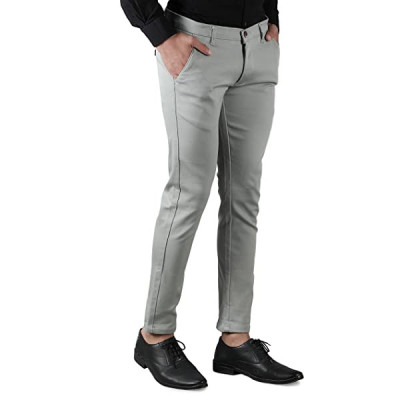
Textured Stretchable Trousers for Men
Rs.899.00
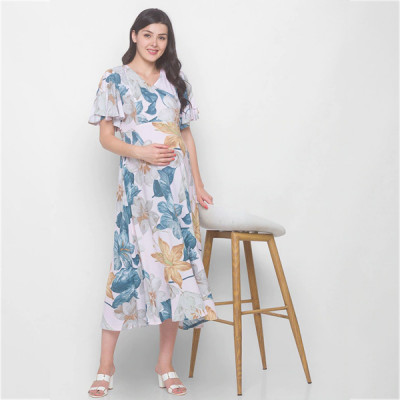
Pink Floral Maternity Midi Dress
Rs.999.00